Please phone to make an appointment. Baby needs to be as close to 13 weeks as possible. Also available on Sundays.

Abdominal Ultrasound
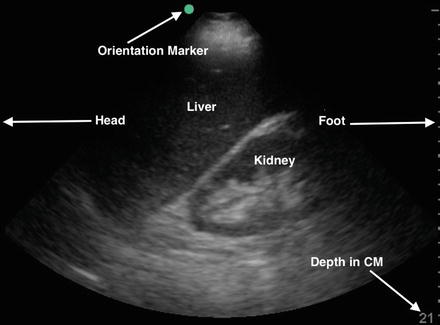
An abdominal ultrasound is a safe, painless scan that uses sound waves to create images of organs inside the abdomen. It is commonly used to investigate abdominal pain, gallstones, liver problems, kidney concerns and other abdominal symptoms.
What is an abdominal ultrasound?
An abdominal ultrasound is a safe and painless scan that uses sound waves to create images of organs inside the abdomen.
What does it assess?
- Liver
- Gallbladder
- Bile ducts
- Pancreas
- Spleen
- Kidneys
- Bladder
- Main abdominal blood vessels (basic assessment)
Why might I need an abdominal ultrasound?
This scan may be recommended to investigate:
- Abdominal pain
- Gallstones
- Liver problems
- Fatty liver
- Kidney stones
- Urinary symptoms
- Swelling or bloating
- Abnormal blood tests
- Suspected masses or cysts
- Follow-up of known conditions
What can it detect?
- Gallstones
- Liver lesions or cysts
- Fatty liver changes
- Enlarged organs
- Kidney stones
- Hydronephrosis (blocked kidneys)
- Abdominal fluid
- Some tumours or masses
Preparation
Preparation may be required depending on the examination:
- Fasting may be required (usually 4–6 hours)
- Water may be needed for some studies
Your sonographer will advise you if preparation is necessary.
How long does it take?
Most abdominal ultrasound examinations take approximately 20–30 minutes.
Is it painful?
No. Ultrasound is generally painless, although mild pressure from the probe may sometimes be felt.
What are the limitations?
Ultrasound does not always visualize bowel well and may sometimes be limited by bowel gas or body habitus.